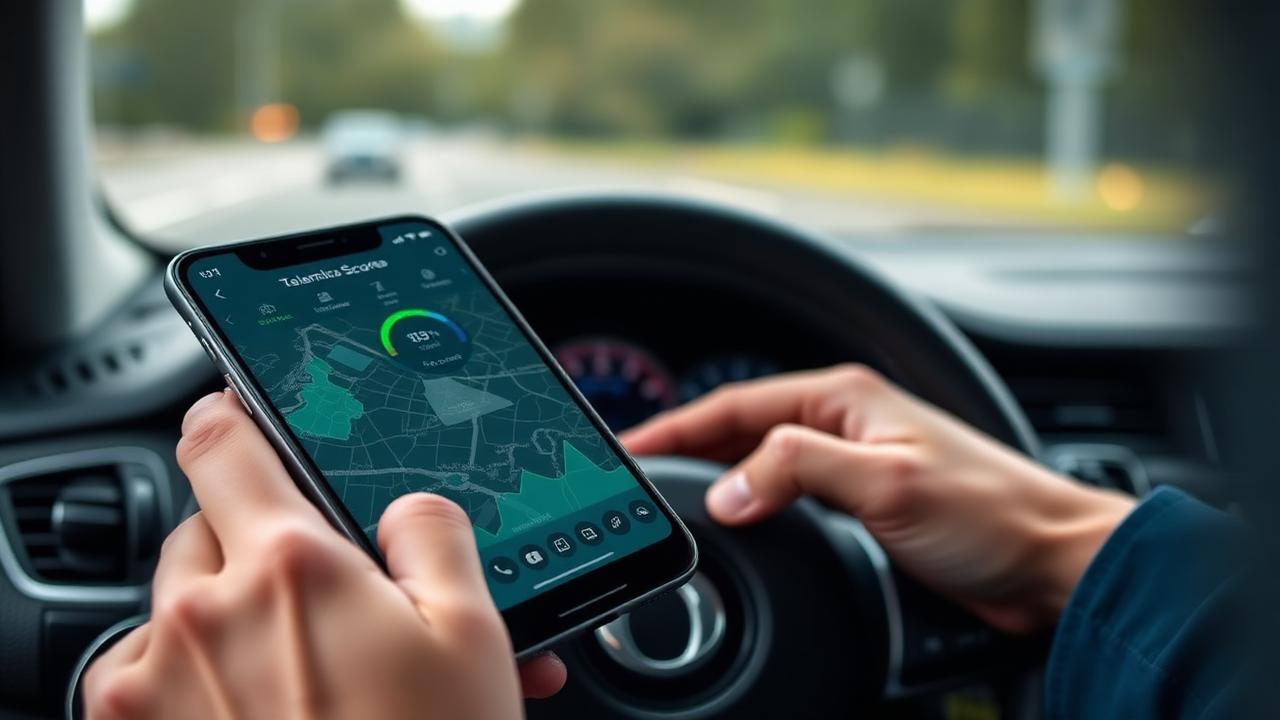
Featured image: Safe, low mileage drivers save the most from usage based programs.
Telematics and pay per mile insurance have moved from experiment to mainstream. Roughly one in four U.S. auto policies in 2026 includes some form of usage based pricing, and the carriers that lean into it are advertising headline savings of 30 to 40 percent. The catch is that the savings are real for two specific driver profiles and largely fictional for everyone else.
What is the difference between telematics and pay per mile
Telematics, also called usage based insurance, layers a driving behavior discount on top of a normal premium. A phone app or plug in device measures hard braking, acceleration, speed, time of day, and phone handling. After a 30 to 90 day monitoring period the carrier locks in a discount that ranges from 5 percent for average drivers to 30 percent for the safest.
Pay per mile insurance charges a low base rate plus a per mile rate, usually 4 to 8 cents per mile. A small device or app tracks mileage. Drivers under 8,000 miles per year often save more than telematics can deliver, because the structural rate itself drops.
Who actually saves with telematics
The data favors:
- Drivers who rarely drive after midnight.
- Drivers who keep speeds within 8 mph of the posted limit.
- Drivers who do not handle the phone while moving.
- Drivers with average annual mileage under 12,000.
Telematics works against:
- Long commuters in heavy stop and go traffic where hard braking is unavoidable.
- Rideshare and food delivery drivers, who would also violate most personal policy terms.
- Drivers under 25, who often see scores hurt by aggressive merging, even when objectively safe.
Who actually saves with pay per mile
Pay per mile is the better choice when:
- Annual mileage is under 8,000 miles.
- The vehicle is a second car, weekend car, or work from home household car.
- The garage location is low risk and the driver is otherwise low risk.
Above 12,000 miles per year, pay per mile almost always costs more than a standard policy.
Which carriers run the strongest programs in 2026
| Program | Carrier | Type | Typical max discount |
|---|---|---|---|
| Drivewise | Allstate | Telematics | 30 percent |
| SmartRide | Nationwide | Telematics | 40 percent |
| Snapshot | Progressive | Telematics | 30 percent |
| Drive Safe and Save | State Farm | Telematics | 30 percent |
| Metromile | Lemonade | Pay per mile | Variable |
| Mile Auto | Mile Auto | Pay per mile | Variable |
| Tesla Insurance | Tesla | Real time telematics | 40 to 60 percent |
The hidden risks
A few things worth knowing before you opt in:
- A handful of carriers can raise your rate at renewal based on telematics data. Most cannot, but read the program disclosures.
- Phone based apps occasionally misclassify passenger trips as driving trips. Almost every carrier lets you flag a trip in the app, but only if you check.
- Pay per mile carriers can cancel coverage faster than standard carriers if mileage spikes unexpectedly.
For broader savings tactics that pair well with telematics, see our 12 ways to lower your auto insurance bill guide.
Quick takeaways
- Telematics rewards safe drivers with 5 to 40 percent off depending on score.
- Pay per mile is the right product for under 8,000 miles per year.
- Read the carrier disclosure to confirm the program cannot raise your rate.
- Always quote a standard policy alongside the telematics or pay per mile policy.
Final word
Usage based insurance is one of the rare products that pays you to drive the way you should anyway. If you can pass the monitoring period without changing how you drive, opt in. If you cannot, you already know what the data is telling you.
Related reading on InsureLab
Sources & further reading
Frequently asked questions
Can a telematics program actually raise my insurance rate?+
Most major programs are discount only and cannot raise your premium based on data alone, but a small number can. Always confirm in writing before enrolling.
Does pay per mile insurance work for commuters?+
Generally no. Above 12,000 miles per year, pay per mile pricing usually costs more than a standard policy. The sweet spot is under 8,000 annual miles.
Do passengers in my car ruin my telematics score?+
Phone based apps occasionally log a passenger trip as a driving trip. Almost every program lets you flag and reclassify trips inside the app, but the user has to do it manually.
Found this helpful?
Share it with a friend who's about to renew their policy — and browse our other guides while you're here.