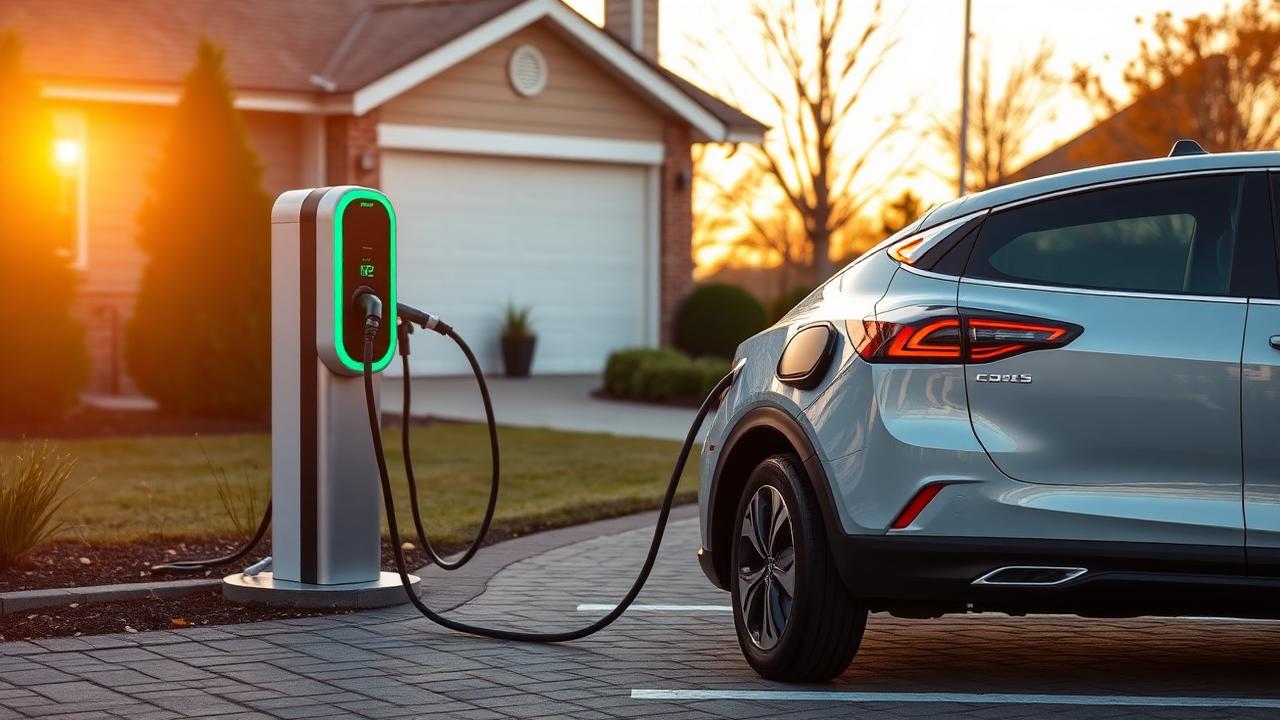
Featured image: EV premiums average 23 percent above equivalent gas vehicles in 2026.
If you traded a gas SUV for an EV in the last twelve months, your renewal probably arrived with a sting. Bankrate and LexisNexis both put the average 2026 EV premium at roughly 23 percent above the equivalent gas powered model. The gap is not punishment for going electric. It is a direct reflection of repair economics, claim severity, and a thin pool of certified body shops. Once you understand the drivers, you can pull the right levers to close most of that gap.
Why insurers price EVs higher
Three structural factors do most of the damage:
- Battery replacement cost. A high voltage battery pack runs $12,000 to $22,000 installed on most mainstream EVs in 2026. Even a moderate underbody impact can total a vehicle that would have been a routine fender bender on a gas car.
- Limited certified repair network. Aluminum body panels, sealed battery enclosures, and OEM software calibration require certified shops. Average EV repair cycle time is 38 percent longer than ICE vehicles, which inflates rental and loss of use costs.
- Higher claim severity from instant torque. EVs deliver maximum torque from zero rpm, and crash data shows higher average claim severity per accident, especially for performance trims.
Seven ways to lower an EV premium in 2026
- Quote at least three EV friendly carriers. Progressive, Travelers, and several regional carriers have the most refined EV rating tables. State Farm and GEICO are usually competitive on Tesla. Spread of 25 to 40 percent is common.
- Bundle home or renters. Same multi-policy discount as ICE, often 8 to 22 percent.
- Use the manufacturer telematics if offered. Tesla Insurance, Ford Insure, and Rivian Insurance use real time vehicle data instead of a phone app. Safe drivers often see 20 to 30 percent versus a third party carrier.
- Keep collision deductible at $1,000 or higher. Battery related collision claims are rare but expensive, so the per claim savings on a higher deductible add up.
- Confirm OEM parts coverage. Make sure the policy pays for original equipment battery and electronics, not aftermarket. The endorsement is usually free.
- Avoid performance trims if possible. A standard range Model Y often insures for 20 percent less than a Performance trim of the same model year.
- Garage and home charge. Carriers reward garaged vehicles and home charging routines because both correlate with lower theft and lower mileage.
What about gap insurance and battery coverage
Two coverages matter more on EVs than gas cars:
- Gap insurance. EVs depreciate sharply in the first 18 months as new model years arrive with longer range. If you financed more than 80 percent of the purchase price, gap coverage protects you when a totaled EV settlement falls short of the loan balance.
- Battery and electronics endorsement. Some carriers exclude battery degradation or limit coverage on aftermarket charging equipment. Read the declarations page line by line.
For more on overall coverage sizing, see our coverage limits guide.
Sample 2026 EV vs gas comparison
| Vehicle | Annual premium |
|---|---|
| 2024 Toyota RAV4 Hybrid | $1,640 |
| 2024 Tesla Model Y standard range | $2,010 |
| 2024 Ford Mustang Mach-E Premium | $2,180 |
| 2024 Tesla Model Y Performance | $2,490 |
Same driver profile, same 100/300/100 limits, same $1,000 deductible.
Quick takeaways
- EV premiums run roughly 23 percent above equivalent gas models in 2026.
- Battery repair cost and certified shop scarcity drive the gap.
- Manufacturer telematics often beats third party carriers for safe EV drivers.
- Gap coverage and an OEM parts endorsement matter more on EVs than ICE cars.
Final word
Electric ownership is not a reason to overpay for insurance. Use this guide as a renewal checklist, quote three EV friendly carriers each year, and revisit the moment your battery warranty status or financing balance changes.
Related reading on InsureLab
Sources & further reading
Frequently asked questions
Is Tesla Insurance actually cheaper than other carriers?+
For safe drivers in the states where it is available, Tesla Insurance is often 20 to 30 percent cheaper because it uses live vehicle telemetry. Drivers with frequent hard braking or late night trips can pay more.
Does my auto policy cover damage to my home charger?+
Usually no. Wall mounted EV chargers are typically covered under the homeowners or renters policy as personal property, sometimes with a separate sublimit. Confirm both policies in writing.
Will EV insurance get cheaper as more shops are certified?+
Yes. Industry forecasts show the EV vs ICE premium gap narrowing from 23 percent in 2026 to under 10 percent by 2029 as the certified shop network expands and battery costs fall.
Found this helpful?
Share it with a friend who's about to renew their policy — and browse our other guides while you're here.