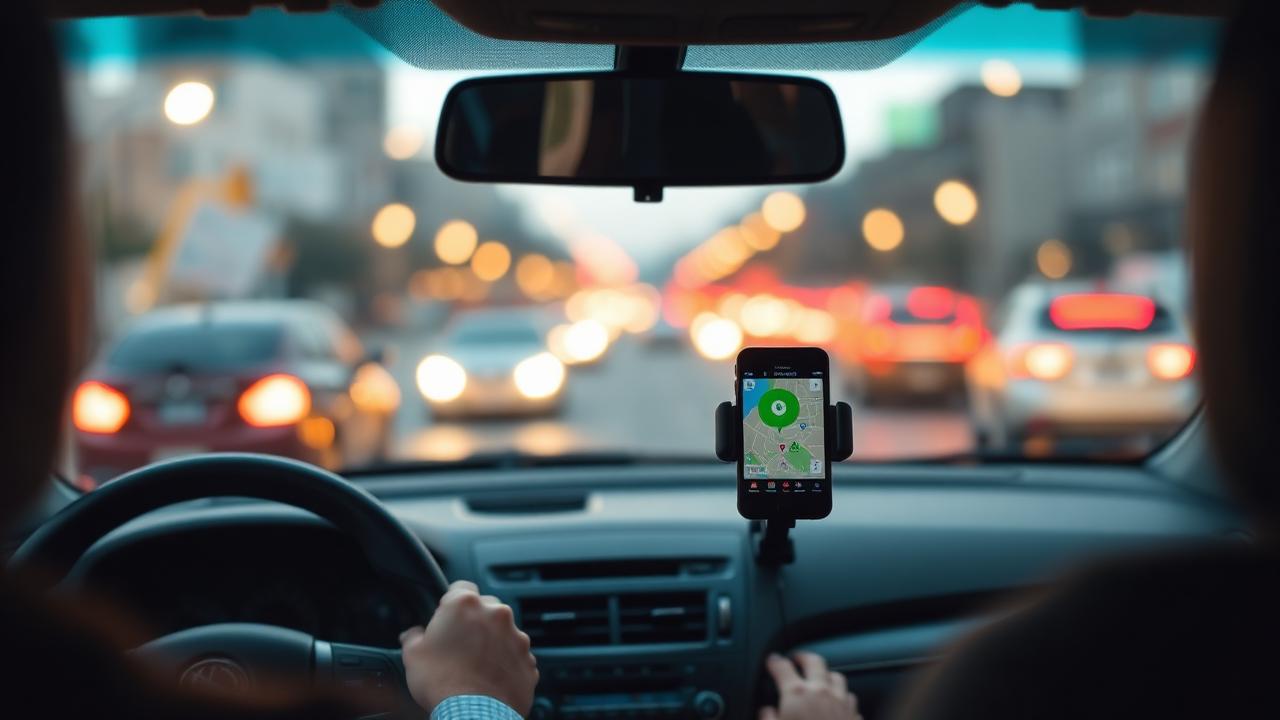
Featured image: Personal auto policies exclude almost all rideshare and delivery miles.
If you drive for Uber, Lyft, DoorDash, Instacart, Amazon Flex, or any other gig platform, your personal auto policy almost certainly contains a business use exclusion that voids coverage during the most dangerous miles you drive. The platform provides some coverage, but the protection has hard edges and well known gaps. This guide walks through what is covered, what is not, and how to fix the gap for less than $20 a month in most states.
The three rideshare coverage periods
Every rideshare and delivery policy in 2026 follows the same three period model:
- Period 0. App is off. Personal use. Your personal auto policy applies normally.
- Period 1. App is on, no passenger or order assigned. Most platforms provide liability only coverage at minimum state limits. No collision or comprehensive.
- Period 2 and 3. Trip or delivery accepted, passenger or order in the vehicle. Platforms provide $1 million liability plus contingent collision and comprehensive, usually subject to a $1,000 to $2,500 deductible.
The dangerous gap is Period 1. You are driving for income, your personal policy has excluded the trip, and the platform only covers liability to the other party. Damage to your own vehicle is on you.
Why the personal policy will not cover you
Standard auto policies include a clause that excludes coverage when the vehicle is used to carry passengers or property for a fee. Some carriers void the entire policy retroactively if they discover undisclosed rideshare use, even on Period 0 miles. The Insurance Information Institute documents the exclusion as standard practice across the industry.
A few carriers have explicitly approved certain rideshare and delivery work without an endorsement, but the safer move is always to disclose in writing.
The two ways to fix the gap
Option 1: Rideshare endorsement on your personal policy.
Most major carriers in 2026 sell a rideshare endorsement that extends your personal policy through Periods 1, 2, and 3. The endorsement typically costs $8 to $20 per month, preserves your personal deductible, and avoids the platform's high deductible at claim time. This is the right choice for most part time rideshare and delivery drivers.
Option 2: Commercial auto policy.
Full time gig drivers, especially those running 30 plus hours per week, are usually better off on a commercial auto policy built for livery or for hire use. Premiums run two to three times a personal policy, but coverage is continuous, deductibles are lower, and there is no fight at claim time about which period applied.
Platform by platform breakdown for 2026
| Platform | Period 1 coverage | Period 2 and 3 coverage |
|---|---|---|
| Uber | $50k or $100k contingent liability | $1M liability plus contingent collision with $2,500 deductible |
| Lyft | $50k or $100k contingent liability | $1M liability plus contingent collision with $2,500 deductible |
| DoorDash | None in most states | $1M liability and contingent collision |
| Instacart | None | $1M liability while delivery in progress |
| Amazon Flex | None | $1M commercial auto while package in vehicle |
Always read the current platform terms. Coverage details change at every contract cycle.
Three mistakes that wreck claims
- Failing to disclose rideshare to your carrier. A single undisclosed claim can void the policy and trigger non payment of all claims under investigation.
- Assuming the platform covers vehicle damage during Period 1. It does not. Buy the endorsement.
- Choosing the lowest state minimum liability limits. A serious bodily injury claim during Period 2 or 3 can exceed the platform $1M limit. Carry your own personal liability at 100/300/100 minimum, with an umbrella if you have assets.
For more on broader liability planning, see our coverage limits guide.
Quick takeaways
- Personal auto policies exclude rideshare and delivery work by default.
- Period 1 is the largest coverage gap. The platform covers liability only.
- A rideshare endorsement at $8 to $20 per month closes the gap for most part time drivers.
- Full time gig drivers should evaluate a commercial auto policy.
Final word
Rideshare and delivery driving is a real job, and the coverage that protects it has to be a real product. Spend ten minutes today calling your carrier, disclose the work in writing, and add the endorsement. The cost is trivial compared to a single uncovered claim.
Related reading on InsureLab
Sources & further reading
Frequently asked questions
Will my personal auto policy cover me if I drive for Uber or DoorDash?+
Almost never. Standard personal auto policies exclude business use, including carrying passengers or goods for a fee. You need either a rideshare endorsement or a commercial auto policy.
What is Period 1 in rideshare insurance?+
Period 1 is when the app is on but no passenger or delivery has been accepted. The platform provides minimum liability coverage but no collision or comprehensive, and your personal policy is excluded.
How much does a rideshare endorsement cost in 2026?+
Most major carriers charge $8 to $20 per month for a rideshare endorsement that extends a personal policy through all three driving periods.
Found this helpful?
Share it with a friend who's about to renew their policy — and browse our other guides while you're here.