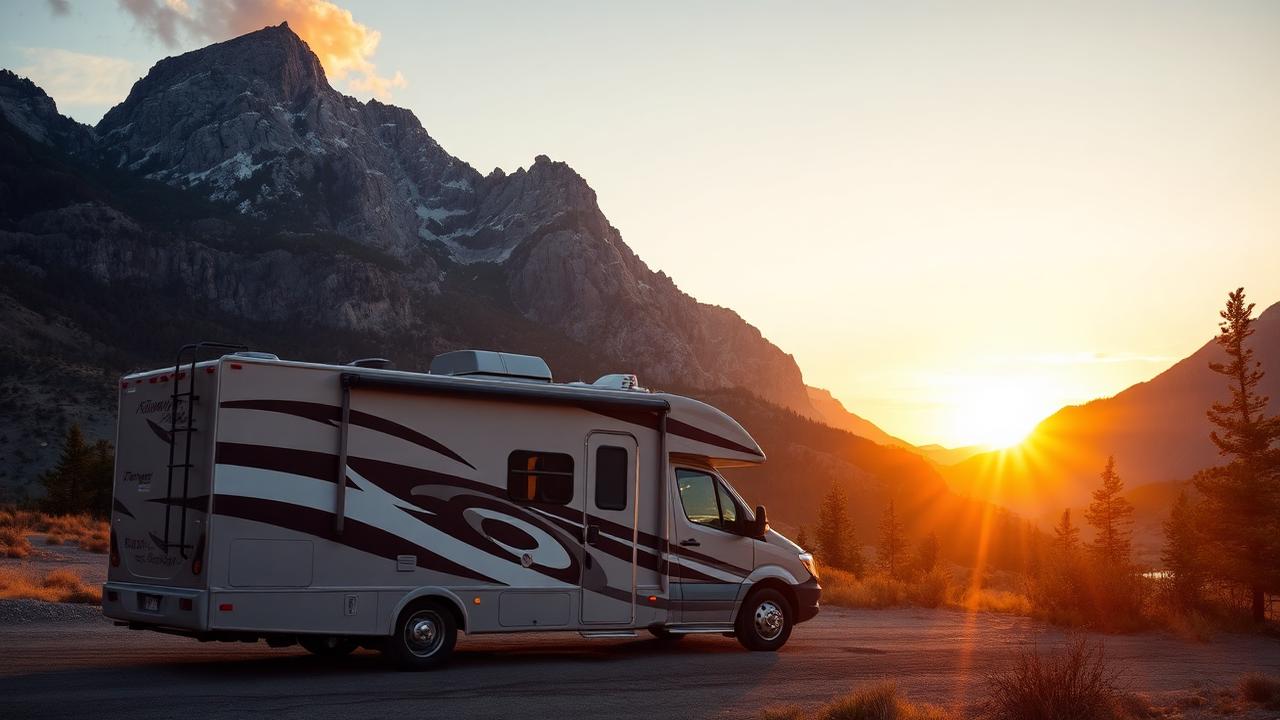
Recreational vehicles are a peculiar insurance product because they are simultaneously a vehicle, a residence, and a container for thousands of dollars in personal property. Standard auto insurance does not cover the residential side, and homeowners does not cover the vehicle side. Dedicated RV insurance fills the gap.
RV insurance by class
Class A (large bus-style motorhomes, 30 to 45 feet) usually carries the highest premiums and benefits most from agreed-value coverage. Class B (camper vans like Sprinter conversions) are smaller and cheaper to insure. Class C (cab-over motorhomes built on a truck chassis) sit in the middle. Travel trailers and fifth wheels need a different product because they are towed, not driven.
Full-timer's coverage for permanent RV residents
If you live in your RV more than 150 days a year, a full-timer's endorsement adds residential liability (slip-and-fall at your campsite), loss assessment, and personal property coverage of $25,000 or more. Standard RV policies treat the vehicle as recreational and exclude these losses.
Vacation liability and total loss replacement
Vacation liability provides $10,000 to $25,000 of coverage when the RV is parked and being used as a residence (campfire injury, falling awning). Total loss replacement (available for the first 5 years of ownership) replaces a totaled RV with a brand new comparable model, not depreciated value, a difference of often $30,000 plus.
Storage savings
Comprehensive Storage Option (CSO) suspends liability and collision while the RV is in storage, dropping premiums by 30 to 50 percent during the off-season.
Quick comparison
| Coverage | Class A | Class B | Class C |
|---|---|---|---|
| Recreational use, full coverage | $1,200 to $3,500 / yr | $700 to $1,500 / yr | $900 to $2,200 / yr |
| Full timer endorsement | +$300 to $600 | +$200 to $400 | +$250 to $500 |
| Total loss replacement | First 5 yrs | First 5 yrs | First 5 yrs |
| Typical liability | $300k to $500k | $300k | $300k to $500k |
Key takeaways
- Class A (large bus-style motorhomes, 30 to 45 feet) usually carries the highest premiums and benefits most from agreed-value coverage.
- If you live in your RV more than 150 days a year, a full-timer's endorsement adds residential liability (slip-and-fall at your campsite), loss assessment, and personal property coverage of $25,000 or more.
- Vacation liability provides $10,000 to $25,000 of coverage when the RV is parked and being used as a residence (campfire injury, falling awning).
Final word
Insurance is at its best when you understand the product before you need it. Bookmark this guide, share it with anyone shopping for rv insurance this year, and reach out via our contact page if you have a question we have not answered.
Related reading on InsureLab
Sources & further reading
Frequently asked questions
Will my auto policy cover my motorhome?+
Some carriers offer a recreational vehicle endorsement on auto, but coverage is thin. A dedicated RV policy is almost always better.
What about my towed travel trailer?+
Liability follows the tow vehicle (your truck's auto policy). Comprehensive and collision on the trailer requires a separate trailer policy.
Is RV insurance required?+
Liability is required in every state for self-propelled motorhomes. Lenders also require comprehensive and collision until the loan is paid off.
Found this helpful?
Share it with a friend who's about to renew their policy — and browse our other guides while you're here.