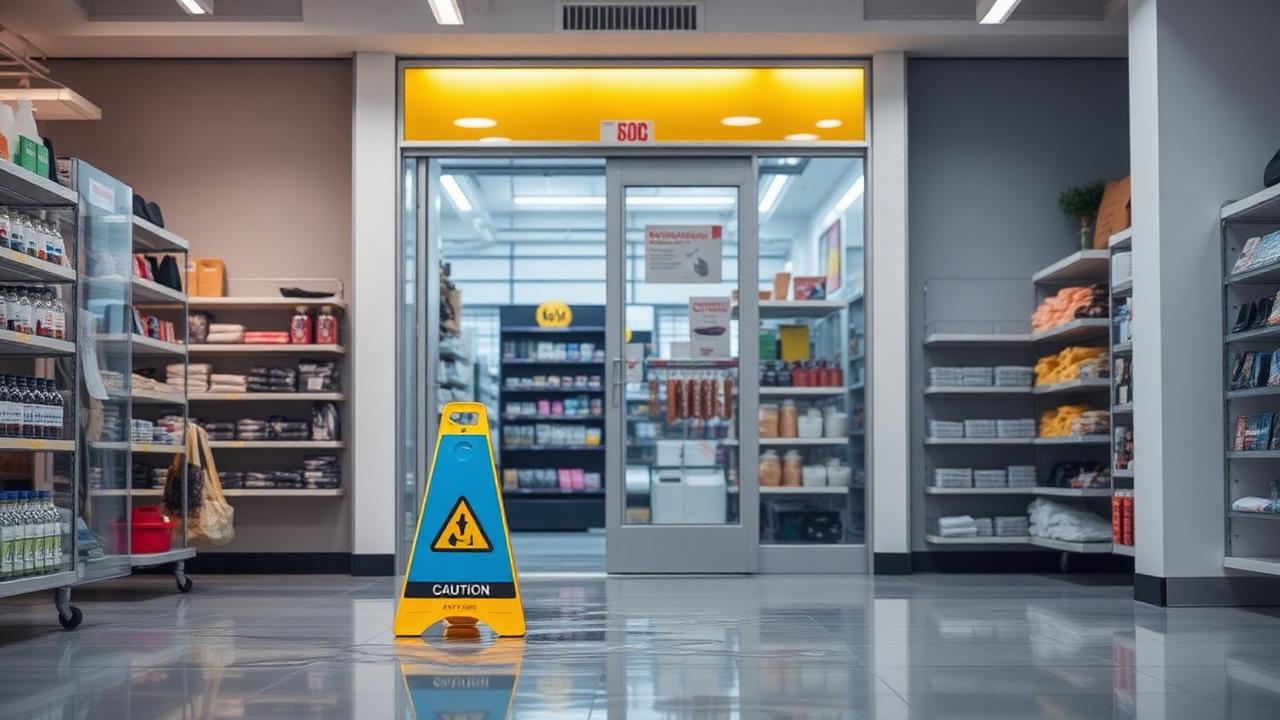
General liability is the foundation of every business insurance program. A standard Commercial General Liability (CGL) policy covers third-party bodily injury, third-party property damage, personal and advertising injury, and your legal defense costs in covered lawsuits. It is not optional, almost every commercial lease and client contract requires proof of $1M in CGL coverage.
The four core CGL coverages
Coverage A: bodily injury and property damage to third parties. Coverage B: personal and advertising injury (libel, slander, copyright in advertising). Coverage C: medical payments to non-employees regardless of fault, usually $5,000 to $10,000 per person. Coverage D: damage to premises rented to you (fire damage to a leased space).
What CGL does NOT cover
Damage to your own property. Damage to your own work product (look up the work product exclusion). Professional services errors (you need E&O). Employee injuries (workers comp). Vehicles (commercial auto). Cyber and data breach. Pollution (usually excluded with limited carve-back).
Additional insured endorsements
Most clients and landlords require you to add them as an additional insured on your CGL. The right form matters. CG 20 10 (ongoing operations) covers them only while work is being performed. CG 20 37 (completed operations) covers claims that emerge after the project ends. Many sophisticated clients require both.
BOP vs. standalone CGL
A Business Owners Policy (BOP) bundles CGL with commercial property and business income at a typical 10 to 20 percent discount. Available to most businesses under $5M in revenue and 100 employees. Standalone CGL only makes sense for very large or unusual operations that do not fit BOP underwriting.
Quick comparison
| Coverage element | Typical limit |
|---|---|
| Per occurrence | $1,000,000 |
| General aggregate | $2,000,000 |
| Products / completed operations | $2,000,000 |
| Personal & advertising injury | $1,000,000 |
| Damage to premises rented | $100,000 to $300,000 |
| Medical payments | $5,000 to $10,000 |
Key takeaways
- Coverage A: bodily injury and property damage to third parties.
- Damage to your own property.
- Most clients and landlords require you to add them as an additional insured on your CGL.
Final word
Insurance is at its best when you understand the product before you need it. Bookmark this guide, share it with anyone shopping for general liability insurance this year, and reach out via our contact page if you have a question we have not answered.
Related reading on InsureLab
Sources & further reading
Frequently asked questions
How much general liability insurance do I need?+
Most small businesses carry $1M per occurrence and $2M aggregate as the baseline. Riskier industries often go to $2M per occurrence.
Can a sole proprietor buy CGL?+
Yes, almost every carrier offers CGL or a BOP for sole proprietors and freelancers.
Is general liability tax deductible?+
Yes, business insurance premiums are a deductible business expense.
Found this helpful?
Share it with a friend who's about to renew their policy — and browse our other guides while you're here.