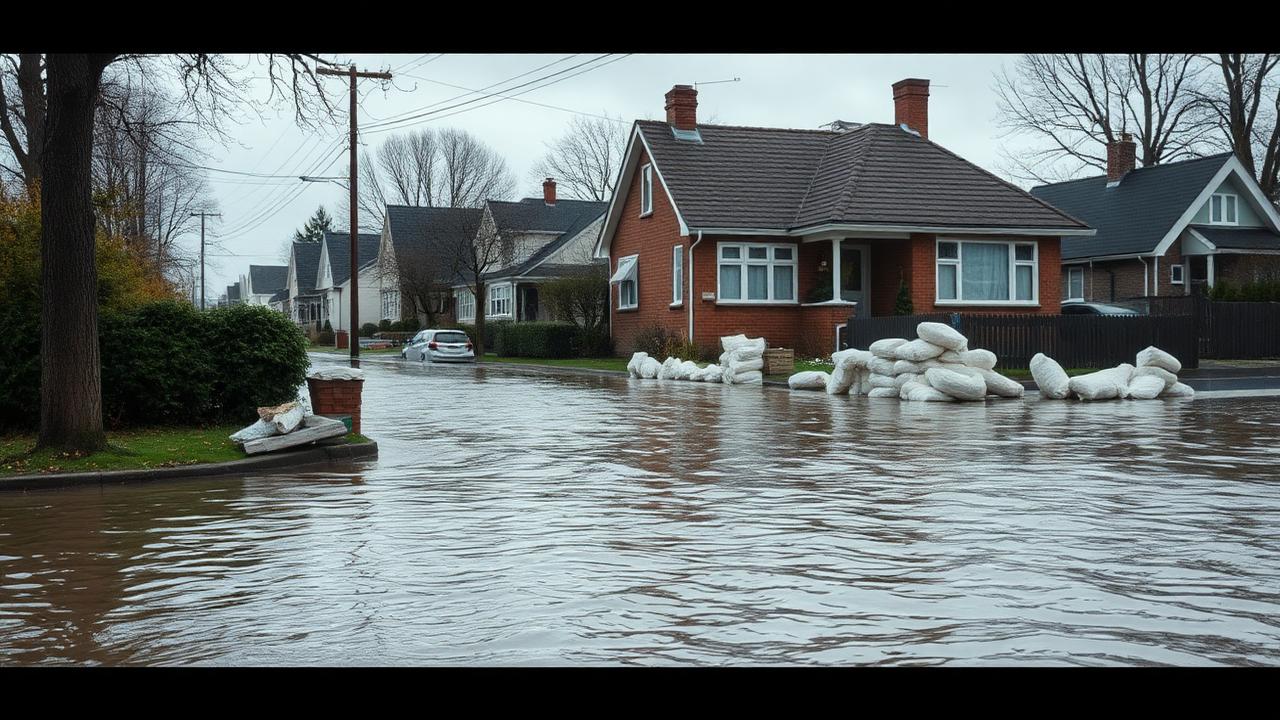
Flooding is the most common and most expensive natural disaster in the United States, and it is excluded from every standard homeowners policy. The National Flood Insurance Program (NFIP) and a growing private market are how American homeowners cover the gap.
Who actually needs flood insurance
If your mortgage is backed by a federal lender and your home sits in a Special Flood Hazard Area (SFHA, also called Zone A or V), flood insurance is mandatory. But more than 25 percent of NFIP claims come from properties outside high-risk zones. Anyone within a few miles of a river, coast, or low-lying area should at least price coverage.
NFIP vs. private flood insurance
NFIP is federally backed, available almost everywhere, and caps coverage at $250,000 for the building and $100,000 for contents. Private flood insurers (Neptune, FloodSimple, Wright Flood) offer higher limits, replacement-cost contents, loss-of-use coverage, and often beat NFIP on price for low-risk properties. NFIP wins on availability in repeatedly flooded areas.
Risk Rating 2.0 changed everything in 2021
FEMA's Risk Rating 2.0 prices NFIP policies based on individual property risk (distance to water, elevation, replacement cost) instead of the old flood zone map. About 23 percent of policyholders saw immediate decreases. The other 77 percent see annual increases of 9 to 18 percent until premiums reach the true risk-based rate.
The 30-day waiting period
Most NFIP policies do not take effect until 30 days after purchase. This is why buying flood insurance the day a hurricane is forecast does not work. Plan ahead, especially in coastal states from June through November.
Quick comparison
| Feature | NFIP | Private Flood |
|---|---|---|
| Building max | $250,000 | $1M to $5M+ |
| Contents max | $100,000 ACV | Replacement cost |
| Loss of use | No | Yes |
| Waiting period | 30 days | 0 to 14 days |
| Best for | High-risk areas, condos | Low-risk areas, high-value homes |
Key takeaways
- If your mortgage is backed by a federal lender and your home sits in a Special Flood Hazard Area (SFHA, also called Zone A or V), flood insurance is mandatory.
- NFIP is federally backed, available almost everywhere, and caps coverage at $250,000 for the building and $100,000 for contents.
- FEMA's Risk Rating 2.0 prices NFIP policies based on individual property risk (distance to water, elevation, replacement cost) instead of the old flood zone map.
Final word
Insurance is at its best when you understand the product before you need it. Bookmark this guide, share it with anyone shopping for flood insurance 2026 this year, and reach out via our contact page if you have a question we have not answered.
Related reading on InsureLab
Sources & further reading
Frequently asked questions
Will my homeowners policy cover any flood damage?+
Sewer backup endorsements cover some water from drains. Surface water flood is always excluded and requires a flood policy.
Can renters get flood insurance?+
Yes, NFIP offers a contents-only policy with up to $100,000 in coverage starting around $100 per year.
Is flood insurance tax deductible?+
Premiums are generally not deductible. Casualty losses in federally declared disaster areas are partially deductible if you itemize.
Found this helpful?
Share it with a friend who's about to renew their policy — and browse our other guides while you're here.