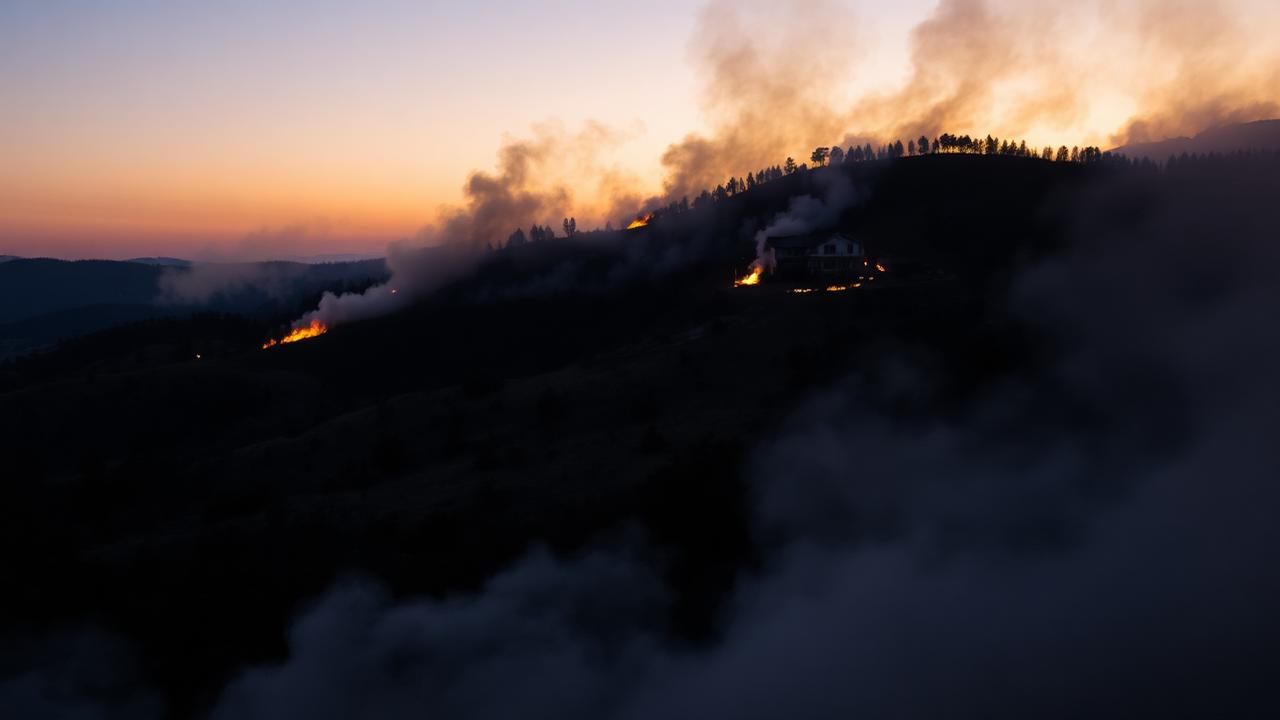
Major insurers have non-renewed or stopped writing new policies in wildfire zones across California, Colorado, Oregon, and parts of the Mountain West. For affected homeowners, the path to coverage usually runs through a state FAIR Plan paired with a difference-in-conditions wraparound.
How FAIR Plans work
Fair Access to Insurance Requirements (FAIR) Plans are state-mandated insurer-of-last-resort programs. They provide basic dwelling fire coverage when no admitted carrier will. Coverage is limited (typically named perils, fire, lightning, internal explosion, vandalism) and dollar caps are below private market norms (California capped at $3M as of 2024).
Difference in Conditions (DIC) wraparound
Because FAIR Plans cover only basic perils, most homeowners pair them with a Difference in Conditions policy from a non-admitted (surplus lines) carrier. The DIC adds liability, theft, water damage, and other perils that FAIR Plans exclude. Together, FAIR + DIC approximates a standard HO-3 at higher cost.
Wildfire mitigation discounts
Defensible space (clearing vegetation 100+ feet from the home), Class A roofing, ember-resistant vents, and enclosed eaves can earn discounts of 10 to 25 percent on both FAIR and admitted carriers. Several states (California, Colorado) now mandate that insurers offer these discounts.
Long term: how to get back to a standard policy
If your home was non-renewed for wildfire risk, document mitigation work with photos and dates, request inspection by carriers, and consider working with a public adjuster or independent agent who specializes in placing high-risk properties.
Quick comparison
| Coverage source | Typical perils | Cost |
|---|---|---|
| Standard HO-3 | All risk except exclusions | Baseline |
| FAIR Plan | Fire, lightning, vandalism | 1.5 to 3x baseline |
| FAIR + DIC wraparound | Approximates HO-3 | 2 to 4x baseline |
| Surplus lines all-risk | Customizable | 2.5 to 5x baseline |
Key takeaways
- Fair Access to Insurance Requirements (FAIR) Plans are state-mandated insurer-of-last-resort programs.
- Because FAIR Plans cover only basic perils, most homeowners pair them with a Difference in Conditions policy from a non-admitted (surplus lines) carrier.
- Defensible space (clearing vegetation 100+ feet from the home), Class A roofing, ember-resistant vents, and enclosed eaves can earn discounts of 10 to 25 percent on both FAIR and admitted carriers.
Final word
Insurance is at its best when you understand the product before you need it. Bookmark this guide, share it with anyone shopping for wildfire insurance and fair plans this year, and reach out via our contact page if you have a question we have not answered.
Related reading on InsureLab
Sources & further reading
Frequently asked questions
Is fire insurance the same as homeowners?+
Standard homeowners includes fire as a covered peril. Standalone fire insurance (DP-1, DP-3) is used when a home is non-renewed by an HO-3 carrier.
Will my mortgage lender accept a FAIR Plan?+
Yes, but they will require the DIC wraparound to bring it up to a standard package.
How can I lower my wildfire premium?+
Defensible space, fire-resistant roofing, and home hardening (ember-resistant vents) are the proven moves.
Found this helpful?
Share it with a friend who's about to renew their policy — and browse our other guides while you're here.