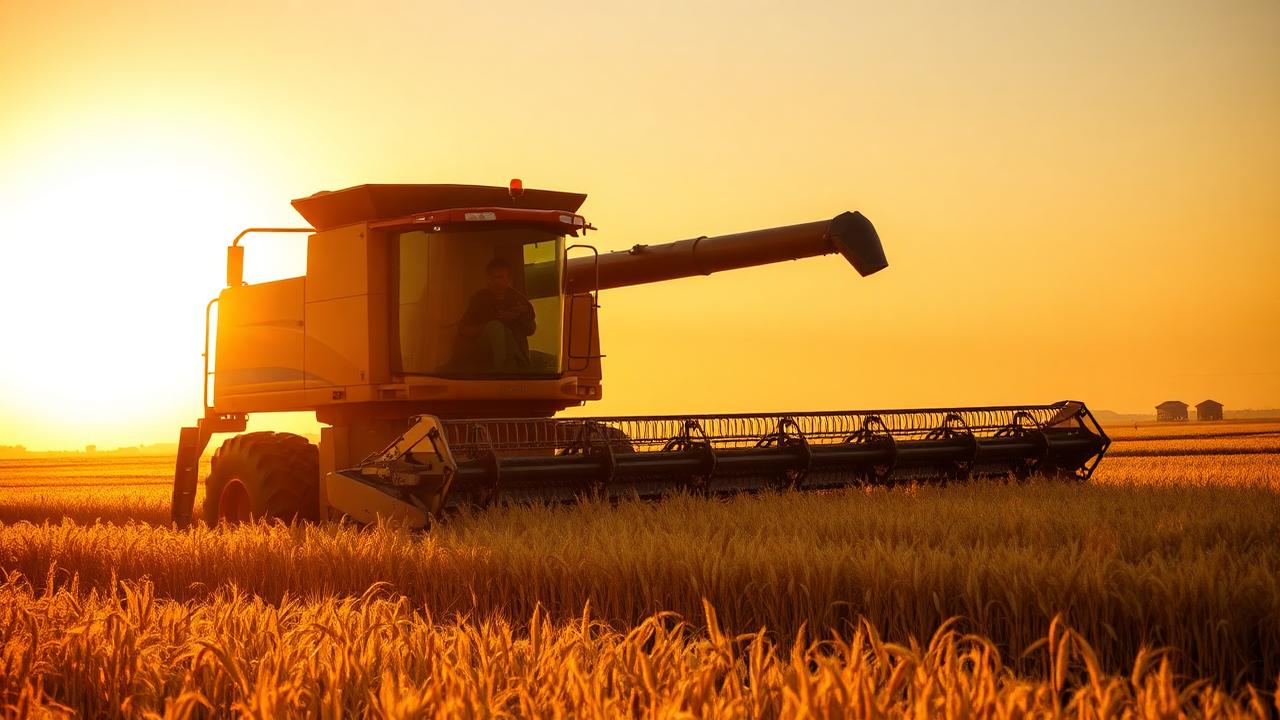
US crop insurance is a public-private partnership administered by the USDA Risk Management Agency (RMA) and sold by approved private insurers. It is the largest single line of farm risk management, protecting roughly $200 billion of crop value across more than 100 commodities each year.
Multi-Peril Crop Insurance (MPCI): the foundation
MPCI covers natural causes of crop loss including drought, hail, flood, wind, frost, fire, insects, and disease. Coverage levels run from 50 percent to 85 percent of approved yield. Federal subsidies cover 38 to 80 percent of the premium depending on the coverage level chosen.
Yield Protection vs. Revenue Protection
Yield Protection (YP) pays when actual yield falls below the guaranteed yield. Revenue Protection (RP) pays when actual revenue (yield times price) falls below the guaranteed revenue, with prices set at the higher of the projected or harvest price. RP is now the most popular policy type because it protects against both yield loss and price collapse.
Crop-hail and named peril policies
Crop-hail insurance is sold by private insurers and is not federally subsidized. It covers hail and fire on a per-acre basis with no deductible, useful as a top-up to MPCI on high-value acres. Named peril policies cover specific risks like greenhouse damage or freeze on specialty crops.
Sales closing dates and reporting deadlines
Each crop has a federally set sales closing date by which coverage must be elected (March 15 for corn and soybeans in most of the Midwest). Acreage reporting deadlines come weeks after planting. Missing either deadline forfeits coverage for the year. Calendars matter.
Quick comparison
| Coverage level | Yield protected | Federal premium subsidy |
|---|---|---|
| 50% (CAT) | 50% of approved yield | ~100% |
| 65% | 65% | 59% |
| 75% | 75% | 55% |
| 80% | 80% | 48% |
| 85% | 85% | 38% |
Key takeaways
- MPCI covers natural causes of crop loss including drought, hail, flood, wind, frost, fire, insects, and disease.
- Yield Protection (YP) pays when actual yield falls below the guaranteed yield.
- Crop-hail insurance is sold by private insurers and is not federally subsidized.
Final word
Insurance is at its best when you understand the product before you need it. Bookmark this guide, share it with anyone shopping for crop insurance basics this year, and reach out via our contact page if you have a question we have not answered.
Related reading on InsureLab
Sources & further reading
Frequently asked questions
Is crop insurance mandatory?+
Not usually, but many lenders require it as a condition of operating loans. USDA disaster assistance programs also require coverage for full eligibility.
Can specialty crops be insured?+
Yes, more than 100 commodities now have federal coverage including grapes, apples, organic crops, and pasture. Niche crops may require a written agreement.
Are private revenue products available?+
Yes, livestock risk protection (LRP), dairy revenue protection (DRP), and pasture rangeland forage (PRF) all exist for non-traditional ag risks.
Found this helpful?
Share it with a friend who's about to renew their policy — and browse our other guides while you're here.