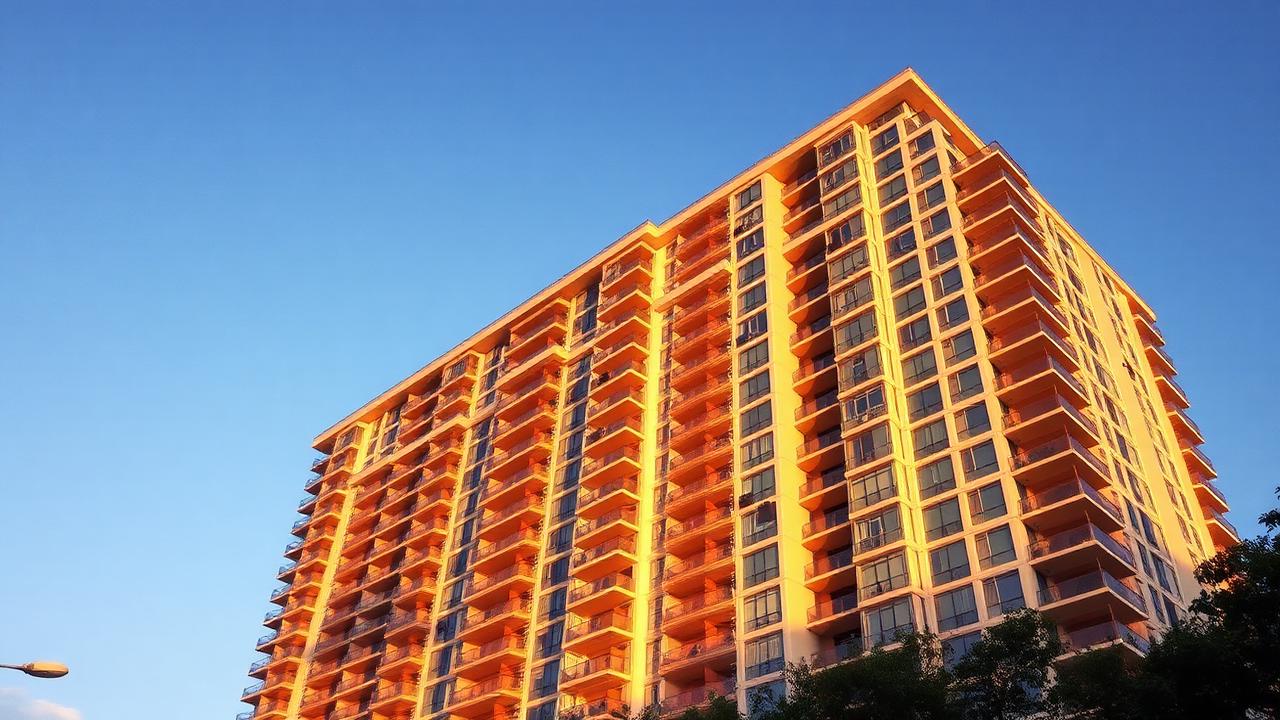
Condo insurance, technically the HO-6 form, fills the gap between what your HOA master policy covers (the building) and everything inside your unit. The right HO-6 limit depends on what kind of master policy your HOA carries, and most condo owners size their walls-in coverage incorrectly.
The three types of HOA master policies
Bare walls-in: covers only the basic structure. Owners need to insure everything from the unfinished walls inward, including drywall, flooring, cabinets, and fixtures. Single entity (also called all-in): the master covers original fixtures and finishes too. Owners only need to insure upgrades and personal property. Studs in is a middle option between these. Read your HOA declarations before picking your HO-6 limit.
Loss assessment coverage
If a covered loss exceeds the HOA master policy or its deductible, the HOA can assess unit owners for the difference. Loss assessment coverage in your HO-6 pays your share of those special assessments, usually up to $50,000 to $100,000. Carry the maximum, especially in coastal or older buildings.
Personal property and liability
HO-6 covers personal property similar to a homeowners policy ($25,000 to $100,000 typical). Liability of $300,000 to $500,000 protects you against guest injuries inside your unit. Loss of use covers a hotel if your unit is uninhabitable after a covered event.
How much HO-6 coverage you need (the formula)
Start with the HOA master policy type. For bare walls-in, calculate per-square-foot rebuild cost ($150 to $250 in most metros, $300+ in high cost markets) and multiply by your unit's square footage. Add personal property, loss assessment, and liability.
Quick comparison
| Coverage element | Bare walls-in HOA | All-in HOA |
|---|---|---|
| Dwelling (interior) | $50k to $200k+ | $5k to $20k (upgrades only) |
| Personal property | $40k to $80k | $40k to $80k |
| Loss assessment | $50k to $100k | $50k to $100k |
| Liability | $300k to $500k | $300k to $500k |
| Typical annual premium | $400 to $900 | $200 to $500 |
Key takeaways
- Bare walls-in: covers only the basic structure.
- If a covered loss exceeds the HOA master policy or its deductible, the HOA can assess unit owners for the difference.
- HO-6 covers personal property similar to a homeowners policy ($25,000 to $100,000 typical).
Final word
Insurance is at its best when you understand the product before you need it. Bookmark this guide, share it with anyone shopping for condo insurance (ho-6) this year, and reach out via our contact page if you have a question we have not answered.
Related reading on InsureLab
Sources & further reading
Frequently asked questions
Will my HOA master policy cover a kitchen flood from upstairs?+
Usually only the structural damage. Your finishes and personal property are covered by your HO-6, and the upstairs neighbor's HO-6 liability may also pay.
Do I need flood insurance for a condo?+
Yes, in flood-prone areas. NFIP offers a contents-only policy for unit owners, and the HOA carries flood on the building.
Is HO-6 required by my mortgage lender?+
Yes, lenders almost always require HO-6 with specific limits and the lender named as mortgagee on the declarations page.
Found this helpful?
Share it with a friend who's about to renew their policy — and browse our other guides while you're here.