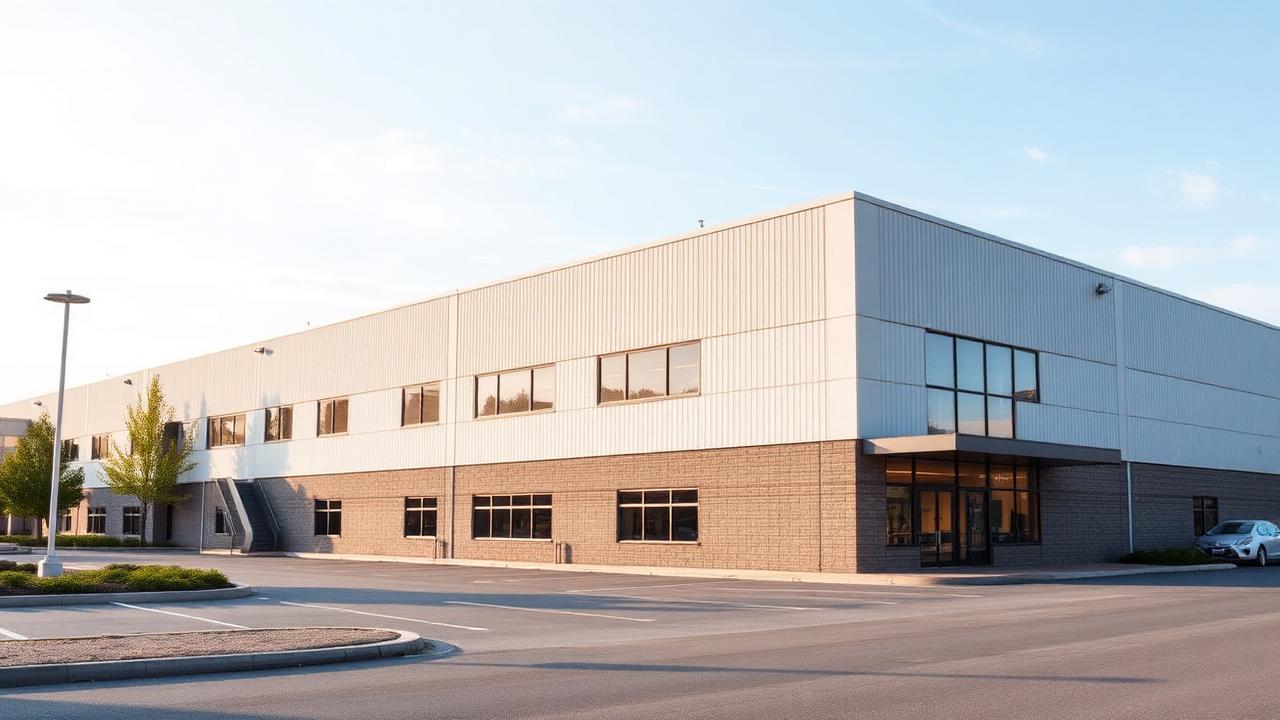
Commercial property insurance covers buildings, business personal property (inventory, equipment, furniture), and the income you would lose if a covered loss shut you down. The single biggest mistake business owners make is under-insuring the property and triggering a coinsurance penalty at claim time.
Replacement cost vs. actual cash value on commercial buildings
Replacement cost rebuilds with materials and labor at today's prices. Actual cash value (ACV) deducts depreciation, often 20 to 60 percent on a 15 plus year old building. Always opt for replacement cost on the building unless the structure is being phased out or rebuilt.
The coinsurance trap
Most commercial property policies have an 80 percent or 90 percent coinsurance clause. If you insure for less than that percentage of actual replacement cost, the insurer applies a penalty: claim payout is reduced proportionally to the underinsurance. A $300,000 claim on an under insured building can shrink to $180,000 after the penalty. Update your insured value annually based on current construction costs.
Business income (BI) coverage
Business income (also called business interruption) replaces lost net profit and continuing fixed expenses while a covered loss prevents normal operations. Add Extended Period of Indemnity to cover the time it takes to rebuild customer demand after reopening. For most businesses, 12 months of BI is the minimum, 18 to 24 months for businesses with longer rebuild times.
Equipment breakdown and ordinance & law
Equipment Breakdown (formerly boiler & machinery) covers mechanical and electrical failure not caused by external perils, the most common gap in standard property coverage. Ordinance & Law pays for the increased cost of rebuilding to current building codes after a covered loss, often 10 to 25 percent more than the original construction.
Quick comparison
| Coverage | What it does | Recommended limit |
|---|---|---|
| Building | Repair or rebuild structure | 100% replacement cost |
| Business personal property | Inventory, equipment, furniture | 100% replacement cost |
| Business income | Lost profit + fixed expenses | 12 to 24 months |
| Equipment breakdown | Mechanical / electrical failure | $1M+ |
| Ordinance & law | Rebuild to current code | 25% of building limit |
Key takeaways
- Replacement cost rebuilds with materials and labor at today's prices.
- Most commercial property policies have an 80 percent or 90 percent coinsurance clause.
- Business income (also called business interruption) replaces lost net profit and continuing fixed expenses while a covered loss prevents normal operations.
Final word
Insurance is at its best when you understand the product before you need it. Bookmark this guide, share it with anyone shopping for commercial property insurance this year, and reach out via our contact page if you have a question we have not answered.
Related reading on InsureLab
Sources & further reading
Frequently asked questions
Is commercial property insurance required by law?+
Not by state law in most cases, but commercial leases and SBA loans almost always require it.
How often should I update insured values?+
Annually. Construction costs have risen 30 to 50 percent in many regions since 2020.
Does property insurance cover flood and earthquake?+
Almost never. Both require separate policies or specific endorsements.
Found this helpful?
Share it with a friend who's about to renew their policy — and browse our other guides while you're here.