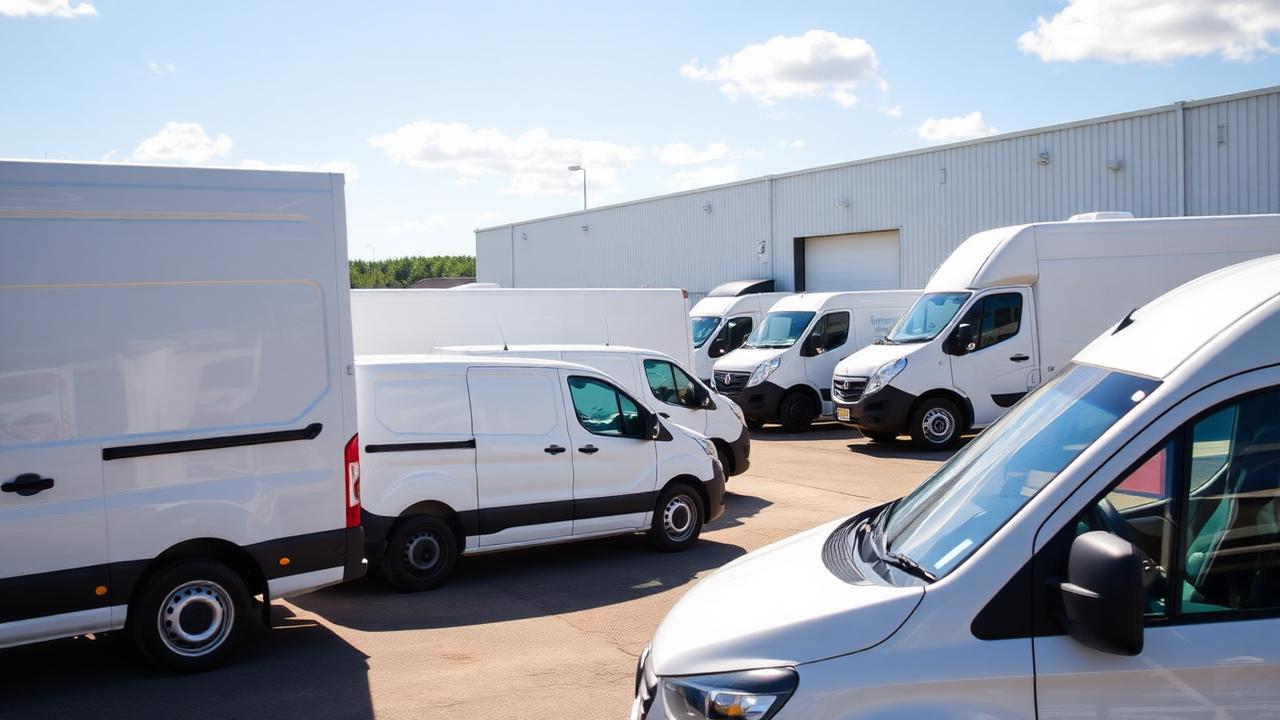
If you use a vehicle to make deliveries, transport tools to a job site, drive clients, or carry company materials, your personal auto policy almost certainly excludes the loss. Commercial auto insurance closes the gap and is required by every state once a vehicle is titled to a business.
Personal vs. commercial auto: the bright lines
Personal auto generally excludes: deliveries (food, packages, retail), livery and ride-share work for compensation, vehicles titled to a business, fleets of 5+ vehicles, and certain heavy vehicles (over 10,000 pounds GVW). The moment any of these applies, you need a commercial policy.
Hired and non-owned auto (HNOA)
If your employees ever drive their own cars or rented cars on company business, HNOA fills a critical gap. Their personal policy will pay first, but if it is exhausted, the employer is on the hook. HNOA typically adds $300 to $700 per year to a BOP and is non-negotiable for any business with traveling employees.
Fleet rating and discounts
At 5+ vehicles, fleet rating kicks in (typically 5 to 15 percent below per-vehicle pricing). Telematics programs from carriers like Progressive Snapshot for Commercial offer additional 10 to 25 percent discounts based on driving behavior.
Coverages every commercial policy should include
Liability of at least $1M combined single limit, comprehensive and collision, uninsured motorist, hired and non-owned auto, medical payments, and rental reimbursement during downtime. For trucking add motor truck cargo and trailer interchange.
Quick comparison
| Vehicle use | Personal auto | Commercial auto |
|---|---|---|
| Commute to fixed office | Covered | Optional |
| Driving to client meetings | Often covered (check policy) | Better fit if frequent |
| Delivery (food, retail, e-commerce) | Excluded | Required |
| Tools and materials in vehicle | Limited | Covered |
| Vehicle titled to business | Excluded | Required |
| Ride share (Uber, Lyft) | Excluded except during app downtime | Required (rideshare endorsement) |
Key takeaways
- Personal auto generally excludes: deliveries (food, packages, retail), livery and ride-share work for compensation, vehicles titled to a business, fleets of 5+ vehicles, and certain heavy vehicles (over 10,000 pounds GVW).
- If your employees ever drive their own cars or rented cars on company business, HNOA fills a critical gap.
- At 5+ vehicles, fleet rating kicks in (typically 5 to 15 percent below per-vehicle pricing).
Final word
Insurance is at its best when you understand the product before you need it. Bookmark this guide, share it with anyone shopping for commercial auto insurance this year, and reach out via our contact page if you have a question we have not answered.
Related reading on InsureLab
Sources & further reading
Frequently asked questions
Does my personal auto cover Uber or Lyft driving?+
Only when the app is off. The moment you accept a ride request you need a rideshare endorsement or the platform's coverage.
How much commercial auto liability do I need?+
Most small businesses carry $1M combined single limit. Trucking and businesses transporting people typically need $1M to $5M.
Are independent contractors covered under my commercial auto policy?+
Only if listed as named insureds or if HNOA is included. Always require contractors to carry their own commercial coverage.
Found this helpful?
Share it with a friend who's about to renew their policy — and browse our other guides while you're here.