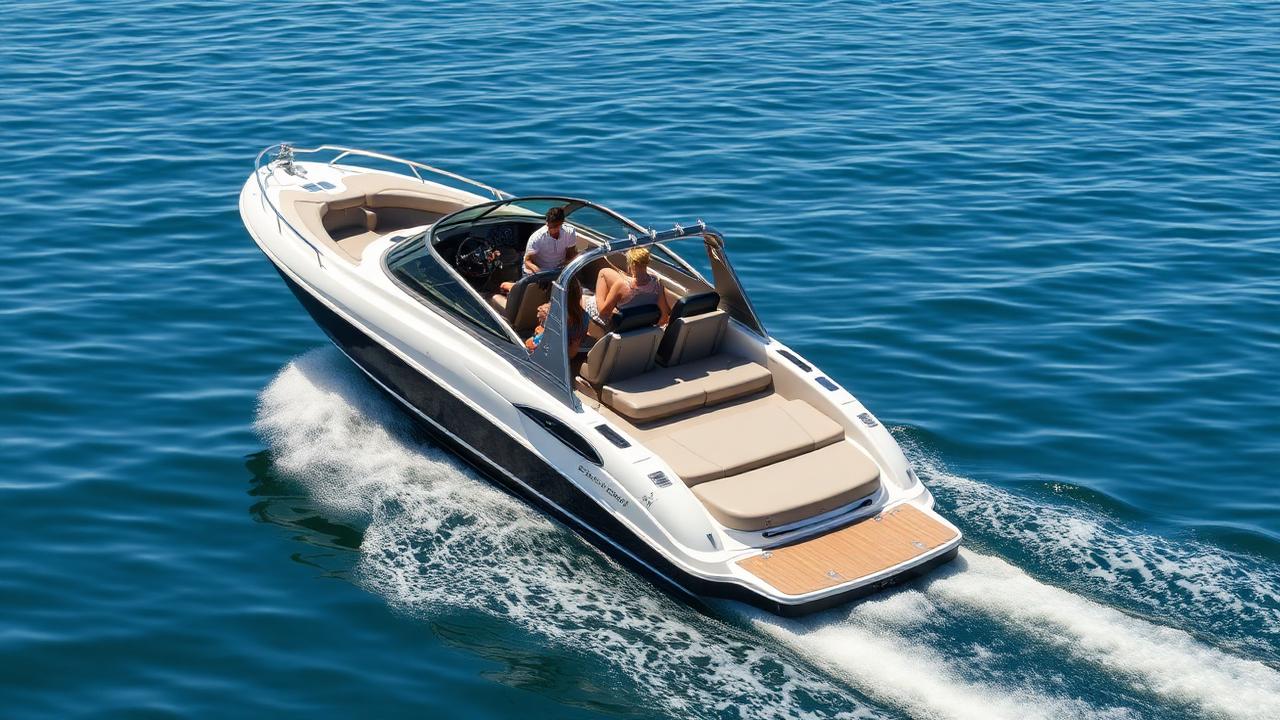
Boat insurance has one term that matters more than any other: how the insurer values your boat at the time of a total loss. Get this wrong and a $40,000 boat can pay out as little as $18,000.
Agreed value vs. actual cash value
Actual Cash Value (ACV) deducts depreciation. A 12 year old fiberglass cruiser may have lost 60 percent of its book value. Agreed Value pays a number you and the insurer settled on at policy inception, with no depreciation. Agreed value costs roughly 10 to 20 percent more in premium and is worth every penny on any boat over $25,000.
Navigation limits and lay-up periods
Most policies restrict where you can operate (typically inland and coastal US waters within 75 to 200 miles offshore). Going beyond requires an extended navigation endorsement. A lay-up period during winter cuts premium by 20 to 40 percent in exchange for limited use, useful for northern climates.
Coverages most owners overlook
Fuel-spill liability (federal Oil Pollution Act exposure of up to $939,800 per incident). On-water towing (BoatUS and Sea Tow charge $250 to $500 per incident otherwise). Personal effects on the boat. Hurricane haul-out reimbursement in coastal states.
How to lower your premium without dropping coverage
Take a USCG-approved boating safety course (5 to 10 percent off). Add a tracking device on boats over 26 feet. Bundle with auto and home. Maintain a clean boating record. Increase the deductible from $250 to $1,000 (typically saves 10 to 20 percent).
Quick comparison
| Boat type | Length | Typical annual premium |
|---|---|---|
| Bass boat | 18 ft | $250 to $500 |
| Bowrider | 22 ft | $400 to $900 |
| Cabin cruiser | 28 ft | $900 to $2,200 |
| Sailboat | 35 ft | $1,200 to $2,800 |
| Motor yacht | 45 ft | $3,500 to $9,000 |
Key takeaways
- Actual Cash Value (ACV) deducts depreciation.
- Most policies restrict where you can operate (typically inland and coastal US waters within 75 to 200 miles offshore).
- Fuel-spill liability (federal Oil Pollution Act exposure of up to $939,800 per incident).
Final word
Insurance is at its best when you understand the product before you need it. Bookmark this guide, share it with anyone shopping for boat insurance this year, and reach out via our contact page if you have a question we have not answered.
Related reading on InsureLab
Sources & further reading
Frequently asked questions
Does homeowners cover my boat?+
Only very small boats (typically under 26 feet and 25 horsepower) and only minimal liability. Anything larger needs a marine policy.
Do I need boat insurance for a kayak or canoe?+
No, but a homeowners or umbrella policy will cover liability.
Are jet skis covered under boat policies?+
Personal watercraft (PWC) need their own dedicated policy. Boat insurers like Progressive offer PWC as a separate product.
Found this helpful?
Share it with a friend who's about to renew their policy — and browse our other guides while you're here.